
Transitioning from long day care to kindergarten in Brisbane
By Mei Larsen · Updated 2026-07-16
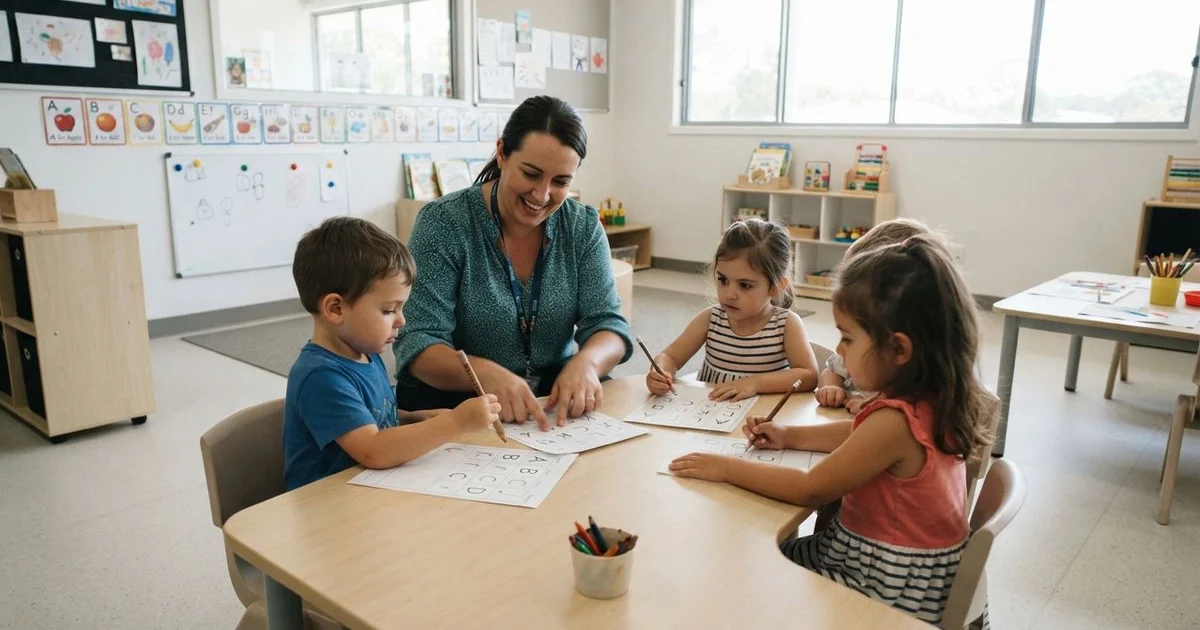
The move from a long day care toddler room into a kindergarten program is one of the bigger transitions a young child goes through before starting school, and it looks different depending on which centre and program you’re using. Understanding what actually changes helps you prepare your child, and helps you ask the right questions if you’re comparing options.
What kindergarten actually is
In Queensland, an approved kindergarten program is a structured, curriculum-based year generally aimed at children turning four by 30 June of that year, designed specifically to build school readiness: early literacy and numeracy foundations, social skills, and independence. It’s delivered either as an embedded kindy room inside a long day care centre, or through a standalone kindergarten or preschool service.
This is a genuine step up from a general toddler or preschool room, not just a change of room number. The educators running an approved kindergarten program are required to hold specific qualifications, and the program itself follows the Queensland kindergarten learning guideline rather than a centre’s general early learning curriculum. If you’re also weighing how much structure suits your child in the years before kindy, see our explainer on Montessori vs play-based early learning.
Staying at the same centre vs moving
If your current centre runs its own approved kindergarten program, staying put often makes the transition easier: your child keeps familiar surroundings, and in many cases at least some familiar educators, while stepping into a more structured program. Ask your centre directly whether their kindy room is government-approved, since not every “kindy” or “pre-prep” room technically qualifies as the funded, curriculum-approved program.
If you’re considering a move to a dedicated kindergarten, whether a community kindy or a centre with a stronger kindy reputation, weigh the disruption of a new environment against the specific program benefits. A child who’s well settled where they are may do better staying put for one more year, even if another program looks stronger on paper.

What changes in a typical day
| Aspect | Toddler/general preschool room | Approved kindergarten program |
|---|---|---|
| Curriculum focus | General play-based development | Structured, school-readiness curriculum |
| Educator qualifications | Certificate/diploma level | Degree-qualified early childhood teacher, generally required |
| Group activities | Looser, flexible routine | More structured group learning blocks |
| Reporting | Informal updates | Formal progress reporting against the kindergarten guideline |
Helping your child adjust
Talk through the change in simple terms before it happens: a new room, maybe a new educator, a bit more structured learning time, but still with play and friends. If your child is moving to a different centre entirely, ask if you can do a short orientation visit beforehand, most kindergartens will accommodate this on request even outside their normal tour schedule.
Keep an eye on the practical logistics too: kindergarten hours and term dates can differ slightly from standard long day care hours, and some programs run fewer days per week than a typical long day care enrolment, which may mean arranging additional care on non-kindy days.
Planning ahead
Kindergarten places, particularly at popular community kindergartens, often fill well before the year starts, so it’s worth confirming your intended program and enrolling several months ahead rather than assuming a spot will be available closer to the date. If your child is currently in long day care, ask your existing centre director early about their kindy program’s enrolment cut-off and whether priority is given to children already attending.
What to ask before you commit either way
Whether you’re staying put or moving centres, ask specifically how the kindergarten program is structured day to day, how many degree-qualified teachers lead the room, and how they’ll track and report your child’s progress against the kindergarten guideline over the year. It’s also worth asking how the program handles the wide range of readiness that four-year-olds bring to a kindy room, some children are ready to sit and focus for longer stretches, others need more movement and flexibility, and a strong program should be able to describe how it caters to both without singling anyone out.
What comes after kindergarten
It’s worth having half an eye on the year after kindy too. Ask whether your kindergarten provider has any relationship with local primary schools, some centres run transition visits or share developmental information with schools to smooth the move into prep. Even if your chosen kindergarten doesn’t offer this formally, keeping a simple record of your child’s interests, strengths, and any specific support needs during their kindy year can make that following conversation with a prep teacher considerably easier.
Compare kindergarten and preschool options across Brisbane on the directory, ranked using our methodology.
Questions people ask
- At what age does a child usually start kindergarten in Brisbane?
- Queensland's government-approved kindergarten program is generally for children turning four by 30 June of the enrolment year, delivered either within a long day care centre's kindy room or through a standalone kindergarten.
- Do I need to change centres to access a kindergarten program?
- Not necessarily. Many long day care centres run an embedded, government-approved kindergarten program within their existing rooms, so your child can move into it without changing location. Others require enrolling at a separate kindergarten or community kindy.
- Is kindergarten compulsory in Queensland?
- No, kindergarten isn't compulsory, but it's strongly recommended as preparation for prep, and most Queensland children attend an approved kindergarten program the year before starting school.
- How is kindergarten different from the toddler or preschool room my child is already in?
- Kindergarten programs follow a specific, government-approved curriculum aimed at school readiness, with a more structured educational focus than a typical toddler or general preschool room, even though play remains central to how it's delivered.