
Finding a multicultural or bilingual childcare centre in Brisbane
By Mei Larsen · Updated 2026-08-01
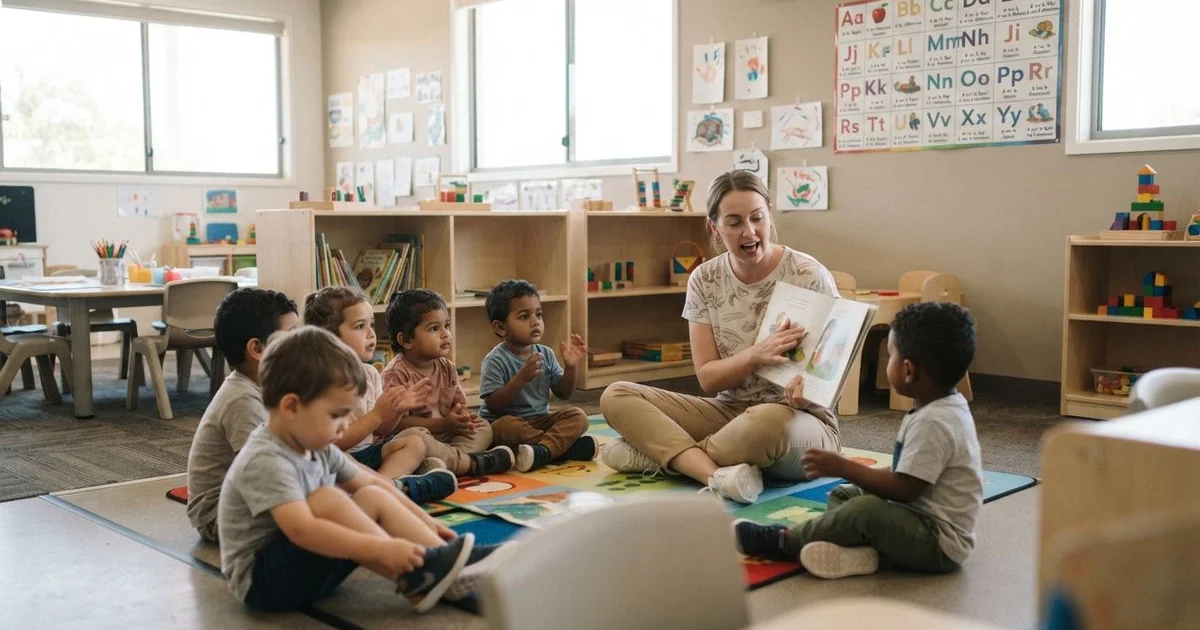
Brisbane’s childcare sector reflects the city’s genuinely multicultural population, and a meaningful number of centres actively build language and cultural inclusion into their programs rather than treating it as an afterthought. Whether you’re after a specific bilingual program, or simply want a centre that will comfortably support a non-English-speaking parent or grandparent, it’s worth knowing what to actually look for.
What “multicultural” or “bilingual” can mean in practice
These terms cover a genuinely wide range in Brisbane. Some centres run a structured, named bilingual program, Mandarin, French or another language taught as part of the regular curriculum, often through a dedicated program name and set weekly sessions. Others are multicultural in a broader sense: a diverse staff team fluent in multiple languages between them, culturally inclusive food and celebrations, and demonstrated experience supporting families who aren’t confident in English day to day. Neither approach is automatically better than the other, they suit different needs.
A small number of centres also run specialist inclusive programs, such as bilingual Auslan-English kindergarten classes, aimed at Deaf or hard of hearing children learning alongside hearing peers, with staff specifically trained in Auslan.
What to actually check
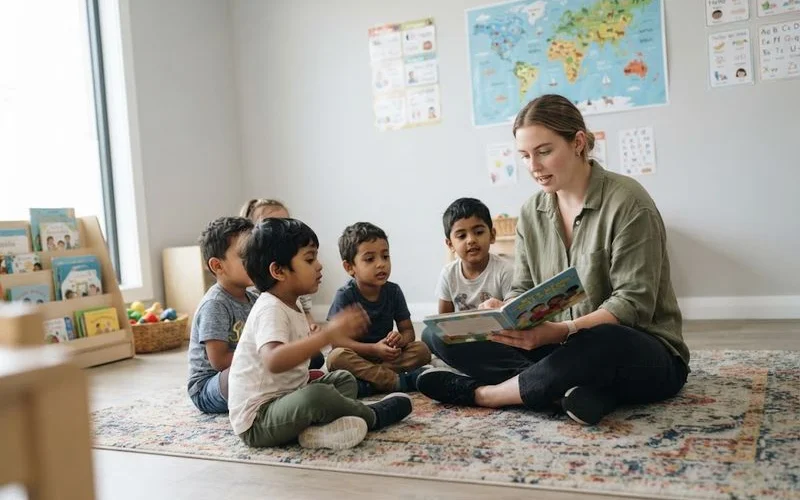
Ask how the language component is delivered day to day: is it woven into daily conversation and play by educators genuinely fluent in that language, or delivered as a set weekly session by a visiting specialist? Both are legitimate, but they produce a very different level of daily exposure, so it’s worth knowing which your child would actually get.
If your priority is support for a non-English-speaking parent or grandparent involved in drop-off and pickup, ask specifically whether any current staff speak your family’s language, and whether enrolment forms and daily updates can be provided or explained in a way your family can follow comfortably.
Signals worth weighing
| Signal | What it suggests |
|---|---|
| Named, structured bilingual curriculum | Genuine daily language immersion, not just occasional exposure |
| Staff fluent in multiple community languages | Practical support for non-English-speaking families day to day |
| Specific parent stories in reviews about settling in non-English-speaking families | Real, demonstrated experience, not just a marketing claim |
| Translated enrolment materials or interpreter access | Concrete institutional support beyond individual staff goodwill |
Why this matters beyond language alone
For many families, the appeal isn’t just teaching a second language, it’s feeling genuinely understood and welcomed from the first phone call. A centre that’s used to supporting families from a range of cultural backgrounds tends to handle things like unfamiliar dietary requirements, different approaches to settling-in, or extended family involvement in pickup and drop-off with more ease than one that hasn’t built that experience. Reviews across Brisbane centres repeatedly point to this kind of practical, everyday responsiveness as what actually made a family feel at home, more than any program label on its own.
It’s also worth asking how a centre handles cultural or religious observances that matter to your family, whether that’s specific food requirements, particular celebrations, or clothing and hygiene practices. A centre with genuine experience here will usually be able to give you concrete examples rather than a general assurance that they’re “inclusive of all backgrounds.”
A note on genuine fit
A centre being multicultural or bilingual doesn’t automatically mean it’s the right fit for your specific family; the same factors that matter for any centre, staff consistency, communication, how your child responds to the environment, still apply on top of the language or cultural offering. Treat this as one important filter among several, and still tour in person to see how your child actually responds to the room and the educators.
If you’re weighing this alongside other priorities like cost or location, it’s worth ranking what actually matters most to your family before you start touring, since a centre that ticks every cultural box but doesn’t otherwise feel right is still not the best choice for your child. Whatever your priority list looks like, most families are still eligible for the Child Care Subsidy regardless of which centre type they choose, so check that first before ruling anything out on price alone.
Compare centres and read what recent families say about communication and inclusion on the Brisbane childcare directory, using our methodology.
Questions people ask
- Are bilingual childcare programs in Brisbane taught by native speakers?
- It varies by centre. Some run programs led by educators fluent in the target language as part of their daily role, others bring in a specialist language teacher for set sessions each week. Ask directly how the language component is actually delivered.
- Will a bilingual program slow down my child's English development?
- Research on early bilingual exposure generally shows it doesn't hinder a child's first language development, and often supports broader cognitive and language skills, though every child develops differently. If you have specific concerns, it's worth discussing with your child's GP or a speech pathologist.
- How do I know if a centre genuinely supports non-English-speaking families, not just markets itself that way?
- Look for practical signals: staff who can communicate with families in their home language, translated enrolment materials, and specific examples in reviews of how the centre has supported a family through the settling-in process.
- Is Auslan offered at any Brisbane centres?
- A small number of Brisbane centres run bilingual Auslan-English programs, staffed by educators trained in Auslan, aimed at inclusive care for Deaf or hard of hearing children alongside hearing peers. These are less common, so it's worth confirming directly if this is a specific need.